Table of Contents
How Evidence Changes the Outcome of a Case
The Power of Evidence in Shaping the Verdict
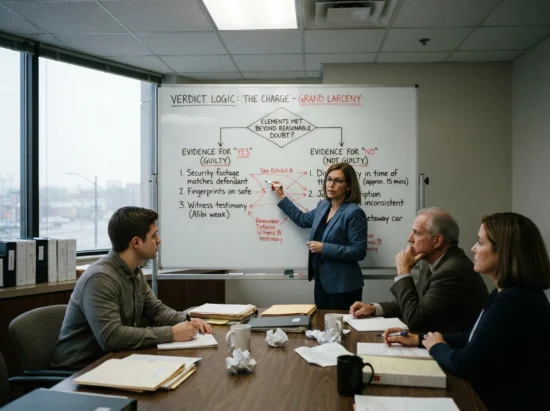
When it comes to a court case, the outcome is often determined by the quality and quantity of evidence presented. In this article, we will explore how evidence changes the outcome of a case and the various types of evidence that can be used to build a strong case.
The Importance of Evidence in a Courtroom
Evidence plays a crucial role in a courtroom. It is the foundation upon which a case is built, and its strength or weakness can make or break a defendant’s or plaintiff’s chances of success. In the absence of strong evidence, even the most airtight case can fall apart, and a guilty verdict can be overturned. Conversely, when evidence is abundant and compelling, it can lead to a conviction or a settlement in favor of the plaintiff.
Types of Evidence
There are several types of evidence that can be used in a court case, each with its own strengths and weaknesses. Some of the most common types of evidence include:
- Direct Evidence: This type of evidence is obtained directly from the source and is often considered the most reliable. Examples include eyewitness testimony, security footage, and physical evidence.
- Circumstantial Evidence: This type of evidence is indirect and relies on inference to establish a fact. Examples include fingerprints, DNA evidence, and suspicious behavior.
- Documentary Evidence: This type of evidence is obtained from written or printed documents, such as contracts, emails, and letters.
- Testimonial Evidence: This type of evidence is obtained from the testimony of witnesses, experts, or other individuals.
The Impact of Evidence on a Case
The quality and quantity of evidence can significantly impact the outcome of a case. A strong case can be built with:
- Multiple Witnesses: Having multiple witnesses can provide a more comprehensive understanding of events and increase the credibility of a case.
- Physical Evidence: Physical evidence, such as DNA, fingerprints, or security footage, can be used to establish a timeline of events and provide concrete proof of a crime.
- Documentary Evidence: Documents, such as contracts, emails, or letters, can provide a clear understanding of events and establish a timeline.
- Expert Testimony: Expert testimony can provide valuable insights into complex issues and increase the credibility of a case.
The Role of Evidence in Mitigating or Enhancing Penalties
Evidence can also play a crucial role in determining the severity of a penalty. In some cases, evidence can be used to:
- Reduce the Penalty: Evidence can be used to reduce the penalty by establishing mitigating circumstances, such as lack of intent or extenuating circumstances.
- Increase the Penalty: Evidence can be used to increase the penalty by establishing aggravating circumstances, such as prior convictions or reckless behavior.
The Consequences of Inadequate Evidence
In some cases, inadequate evidence can lead to a case being dismissed or a guilty verdict being overturned. Some of the consequences of inadequate evidence include:
- Case Dismissal: Inadequate evidence can lead to a case being dismissed, as the prosecution may not have sufficient evidence to establish a crime.
- Guilty Verdict Overturned: Inadequate evidence can lead to a guilty verdict being overturned, as the prosecution may not have provided sufficient evidence to establish guilt beyond a reasonable doubt.
Best Practices for Using Evidence in a Court Case
When using evidence in a court case, it is essential to follow best practices to ensure that the evidence is admissible and effective. Some of the best practices for using evidence include:
- Documenting Evidence: Evidence should be properly documented and stored to ensure its integrity and admissibility.
- Preserving Evidence: Evidence should be preserved to prevent tampering or destruction.
- Presenting Evidence Effectively: Evidence should be presented in a clear and concise manner to ensure its maximum impact.
Frequently Asked Questions
Q: What types of evidence can be used in a court case?
A: There are several types of evidence that can be used in a court case, including direct evidence, circumstantial evidence, documentary evidence, and testimonial evidence.
Q: How does evidence impact the outcome of a case?
A: The quality and quantity of evidence can significantly impact the outcome of a case. A strong case can be built with multiple witnesses, physical evidence, documentary evidence, and expert testimony.
Q: Can evidence be used to reduce or increase penalties?
A: Yes, evidence can be used to reduce or increase penalties. Evidence can be used to establish mitigating or aggravating circumstances, which can impact the severity of a penalty.
Q: What are the consequences of inadequate evidence?
A: Inadequate evidence can lead to a case being dismissed or a guilty verdict being overturned. It is essential to ensure that evidence is properly documented, preserved, and presented effectively to maximize its impact.
Conclusion
In conclusion, evidence plays a crucial role in shaping the outcome of a case. The quality and quantity of evidence can significantly impact the verdict, and its strength or weakness can make or break a defendant’s or plaintiff’s chances of success. By understanding the various types of evidence, the impact of evidence on a case, and the best practices for using evidence in a court case, individuals can build a strong case and increase their chances of success.