Table of Contents
What Makes a Verdict Fair and Reliable?
The Importance of a Fair and Reliable Verdict
A fair and reliable verdict is the cornerstone of a just and functioning legal system. It is the culmination of a long and often arduous process, where the rights of all parties involved are protected and respected. A fair verdict is not only a reflection of the rule of law but also a testament to the integrity of the judicial system.
The Elements of a Fair Verdict
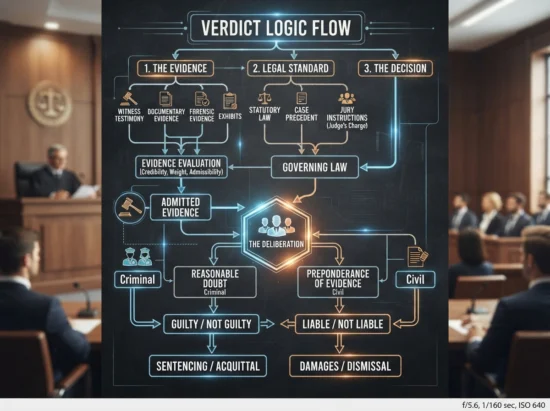
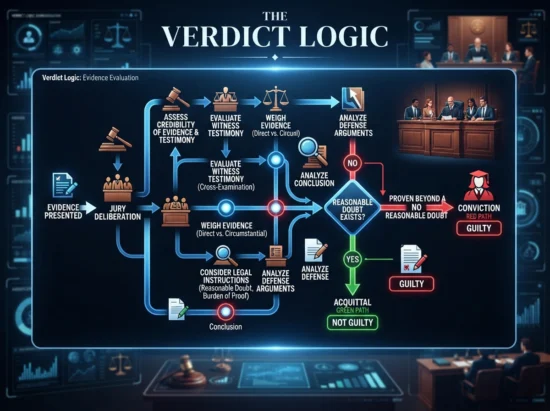
So, what makes a verdict fair and reliable? Several key elements come into play. Firstly, a fair verdict must be based on the evidence presented in court. This evidence must be credible, relevant, and admissible. The judge or jury must consider all the facts, weigh the pros and cons, and make a decision based solely on the evidence. The verdict should not be influenced by personal biases, prejudices, or external pressures.
Impartiality and Objectivity
A fair verdict requires an impartial and objective decision-maker. The judge or jury must remain detached and neutral, avoiding any appearance of impropriety. They must not take sides or show favoritism towards any party involved. This impartiality is essential in maintaining the integrity of the judicial process.
The Role of the Judge and Jury
The judge and jury play critical roles in ensuring a fair verdict. The judge is responsible for ensuring that the trial is conducted fairly and in accordance with the law. They must guide the jury through the evidence, explain the law, and prevent any potential miscarriages of justice. The jury, on the other hand, is responsible for listening to the evidence, deliberating, and reaching a verdict based on the facts presented.
Ensuring the Integrity of the Verdict
To ensure the integrity of the verdict, several safeguards are put in place. These include:
- A fair and impartial judge or jury
- A thorough and transparent investigation
- A robust and unbiased selection process for witnesses and experts
- A clear and concise explanation of the law and its application
- A thorough and accurate recording of all evidence and proceedings
The Consequences of an Unfair Verdict
An unfair verdict can have far-reaching consequences. It can lead to miscarriages of justice, undermine public trust in the judicial system, and create a sense of injustice and inequality. In extreme cases, an unfair verdict can even lead to social unrest and instability.
The Importance of Appeal and Review
In cases where a verdict is deemed unfair or unreliable, the appeal process provides a necessary check on the judicial system. This process allows for a review of the evidence, a re-examination of the facts, and a re-evaluation of the verdict. It ensures that justice is served and that the integrity of the judicial system is maintained.
The Challenges of Achieving a Fair Verdict
Achieving a fair verdict is often a complex and challenging process. Several factors can contribute to this complexity, including:
The Human Factor
The human factor plays a significant role in the judicial process. Judges and jurors are human beings, prone to biases, prejudices, and emotions. They may be influenced by their personal experiences, cultural backgrounds, and social environments. This human factor can sometimes lead to unfair or unreliable verdicts.
The Pressures of Public Opinion
Public opinion can also exert significant pressure on the judicial process. The media, social media, and public discourse can shape public perception of a case and influence the verdict. This pressure can sometimes lead to unfair or unreliable verdicts.
Conclusion
A fair and reliable verdict is the cornerstone of a just and functioning legal system. Several key elements come into play, including impartiality, objectivity, and the role of the judge and jury. The integrity of the verdict is ensured through various safeguards, including a fair and impartial judge or jury, a thorough and transparent investigation, and a robust and unbiased selection process for witnesses and experts. The consequences of an unfair verdict can be far-reaching, and the appeal process provides a necessary check on the judicial system. Achieving a fair verdict is a complex and challenging process, influenced by the human factor and the pressures of public opinion.
FAQ
What is the primary goal of the judicial system?
The primary goal of the judicial system is to deliver justice and ensure that the rights of all parties involved are protected and respected. A fair and reliable verdict is the cornerstone of this goal.
How can a fair verdict be ensured?
A fair verdict can be ensured through several means, including a fair and impartial judge or jury, a thorough and transparent investigation, and a robust and unbiased selection process for witnesses and experts. The integrity of the verdict is also ensured through various safeguards, including a clear and concise explanation of the law and its application, and a thorough and accurate recording of all evidence and proceedings.
What are the consequences of an unfair verdict?
The consequences of an unfair verdict can be far-reaching, including miscarriages of justice, undermining public trust in the judicial system, and creating a sense of injustice and inequality. In extreme cases, an unfair verdict can even lead to social unrest and instability.
Can a verdict be appealed or reviewed?
Yes, in cases where a verdict is deemed unfair or unreliable, the appeal process provides a necessary check on the judicial system. This process allows for a review of the evidence, a re-examination of the facts, and a re-evaluation of the verdict. It ensures that justice is served and that the integrity of the judicial system is maintained.
How can the human factor be mitigated in the judicial process?
The human factor can be mitigated in the judicial process by ensuring that judges and jurors are properly trained, educated, and supported. This includes providing them with clear guidelines, protocols, and procedures to follow, as well as ongoing training and professional development opportunities. Additionally, the use of technology, such as video conferencing and online evidence management, can help reduce the influence of personal biases and emotions.