Table of Contents
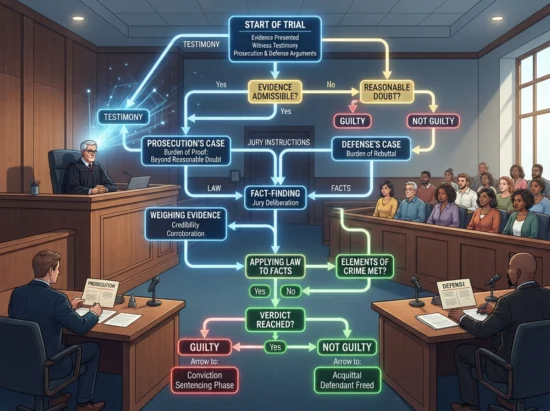
The Role of Evidence in Making a Strong Verdict In the realm of law and justice, a verdict is the culmination of a lengthy process that involves gathering evidence, presenting arguments, and making a final decision. A strong verdict is one that is well-supported by evidence, and this article will explore the role of evidence in making a strong verdict.
What is Evidence?
Evidence is any information that is used to support or refute a claim or assertion. In the context of a trial, evidence can take many forms, including:
- Testimony from witnesses
- Physical evidence, such as documents or objects
- Expert opinions
- Photographic or video evidence
The Importance of Evidence
Evidence is crucial in making a strong verdict because it provides the foundation for a decision. Without evidence, a verdict is merely an opinion, and opinions are subjective and unreliable. Evidence, on the other hand, is objective and can be verified or disproven through various means.
Types of Evidence
There are two main types of evidence: direct and circumstantial.
Direct Evidence
Direct evidence is evidence that directly proves a fact or assertion. For example, if a witness saw a person committing a crime, that is direct evidence of the crime. Direct evidence is often considered more reliable than circumstantial evidence.
Circumstantial Evidence
Circumstantial evidence is evidence that suggests a fact or assertion, but does not directly prove it. For example, if a person was seen near the scene of a crime, that is circumstantial evidence of their involvement. Circumstantial evidence can be used to build a case, but it is often considered less reliable than direct evidence.
Evaluating Evidence
When evaluating evidence, it is essential to consider the following factors:
- Relevance: Is the evidence relevant to the case at hand?
- Reliability: Is the evidence reliable and trustworthy?
- Admissibility: Is the evidence admissible in court?
Challenges to Evidence
There are several challenges to evidence that can affect the strength of a verdict. These include:
- Exclusion of evidence: Evidence can be excluded from a trial if it is deemed to be unreliable or inadmissible.
- Exculpatory evidence: Evidence that tends to clear a defendant of a charge can be considered by the court.
- Prosecutorial misconduct: If the prosecution is found to have engaged in misconduct, it can affect the admissibility of evidence.
The Role of the Judge
The judge plays a crucial role in determining the admissibility of evidence. They must ensure that the evidence is relevant, reliable, and admissible in court. The judge can also exclude evidence if it is deemed to be unreliable or inadmissible.
Conclusion
A strong verdict is one that is well-supported by evidence. In making a verdict, the court must carefully evaluate the evidence presented and consider the factors that affect its admissibility. By doing so, the court can ensure that justice is served and that the verdict is fair and reliable.
FAQs
Q: What is the difference between direct and circumstantial evidence?
A: Direct evidence directly proves a fact or assertion, while circumstantial evidence suggests a fact or assertion but does not directly prove it.
Q: Can evidence be excluded from a trial?
A: Yes, evidence can be excluded from a trial if it is deemed to be unreliable or inadmissible.
Q: What is the role of the judge in determining the admissibility of evidence?
A: The judge plays a crucial role in determining the admissibility of evidence. They must ensure that the evidence is relevant, reliable, and admissible in court.
Q: Can prosecutorial misconduct affect the admissibility of evidence?
A: Yes, if the prosecution is found to have engaged in misconduct, it can affect the admissibility of evidence.
Q: What is the importance of evaluating evidence in making a strong verdict?
A: Evaluating evidence is crucial in making a strong verdict because it provides the foundation for a decision. Without evidence, a verdict is merely an opinion, and opinions are subjective and unreliable.